Overview
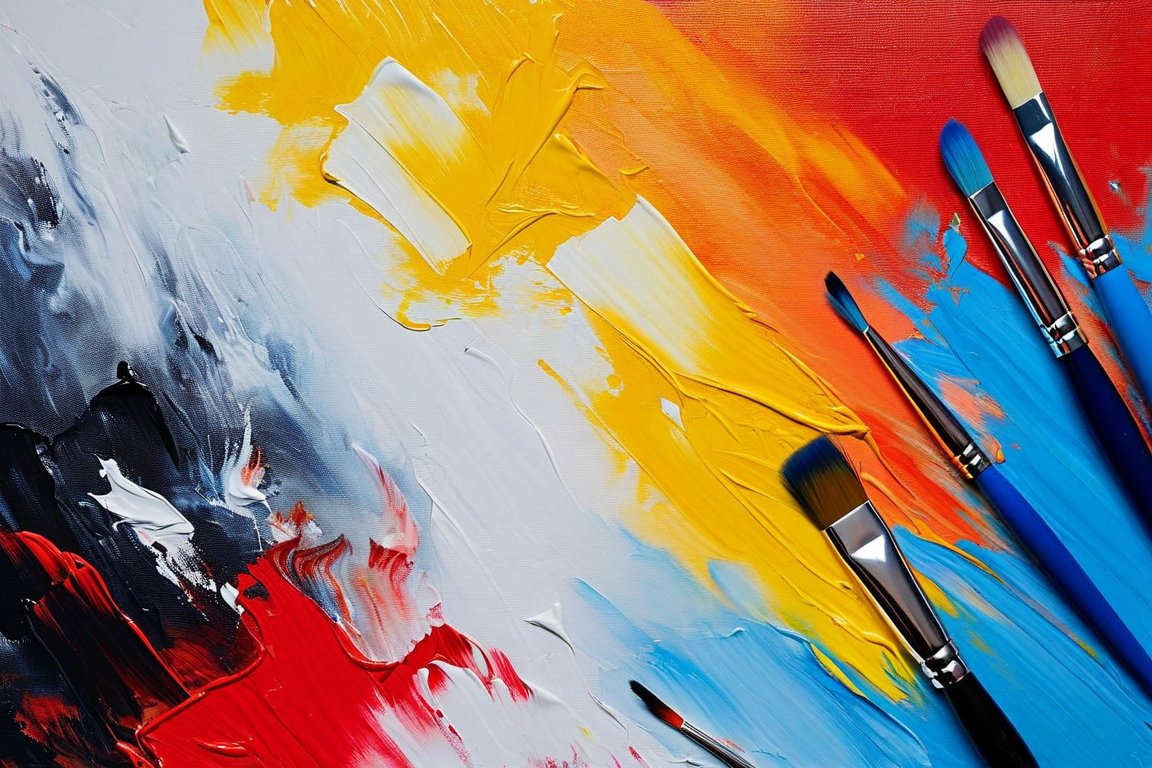
Welcome to this engaging session where we’ll create a vibrant 5-color acrylic painting on canvas! Acrylic painting is a dynamic medium that's perfect for exploring color and brush techniques. It's fun because you can see your progress quickly, but beginners often struggle with paint consistency and color mixing. Let’s dive in and bring your creative vision to life!
Materials
- Canvas (30 cm x 40 cm / 12 in x 16 in)
- Acrylic paints (red, blue, yellow, black, white)
- Palette or disposable plate
- Brushes (1 large flat brush, 1 medium round brush, 1 small detail brush)
- Water cup
- Rag or paper towels
- Pencil for sketching
- Palette knife (optional, for mixing)
Time & Difficulty
- Total time: 2 hours
- Active painting time: 1.5 hours
- Drying time: 30 minutes
- Difficulty: Beginner
Step-by-Step
- Set Up your workspace with all materials within reach.
- Sketch a simple design on your canvas with the pencil. Keep it light and basic.
- Squeeze out a small amount of each paint color onto your palette.
- Mix colors on your palette using the palette knife or a brush to create secondary colors.
- Begin painting the background with the large flat brush using broad strokes.
- Layer the main forms of your design with the medium round brush, using the mixed colors.
- Add details with the small detail brush, focusing on highlights and shadows.
- Step Back occasionally to view your work from a distance, adjusting as needed.
- Allow your painting to dry for 30 minutes once complete.
- Sign your work in a corner with the small detail brush and a contrasting color.
Pro Tips
- Keep your brushes damp to help the paint flow smoothly.
- Use a limited palette to maintain color harmony.
- Test color mixes on a scrap piece of canvas or paper before applying.
Common Mistakes
- Paint too thick? Thin it with a few drops of water.
- Colors muddy? Clean your brush thoroughly between colors.
- Not enough contrast? Add more black or white to your colors for depth.
Safety Notes
- Acrylics are generally safe, but avoid ingesting paint or getting it in your eyes.
- Ventilate the room to avoid inhaling any fumes.
- Wash hands thoroughly after painting.
Cleanup & Storage
- Rinse brushes in water immediately after use.
- Wipe excess paint from the palette with a paper towel.
- Store leftover paint in airtight containers to prevent drying out.
Next Exercises
- Experiment with a monochromatic painting using tints and shades of one color.
- Create a textured painting using a palette knife and thick paint.
- Try a still life setup with a focus on light and shadow.
By Rowan Mapleridge