Overview
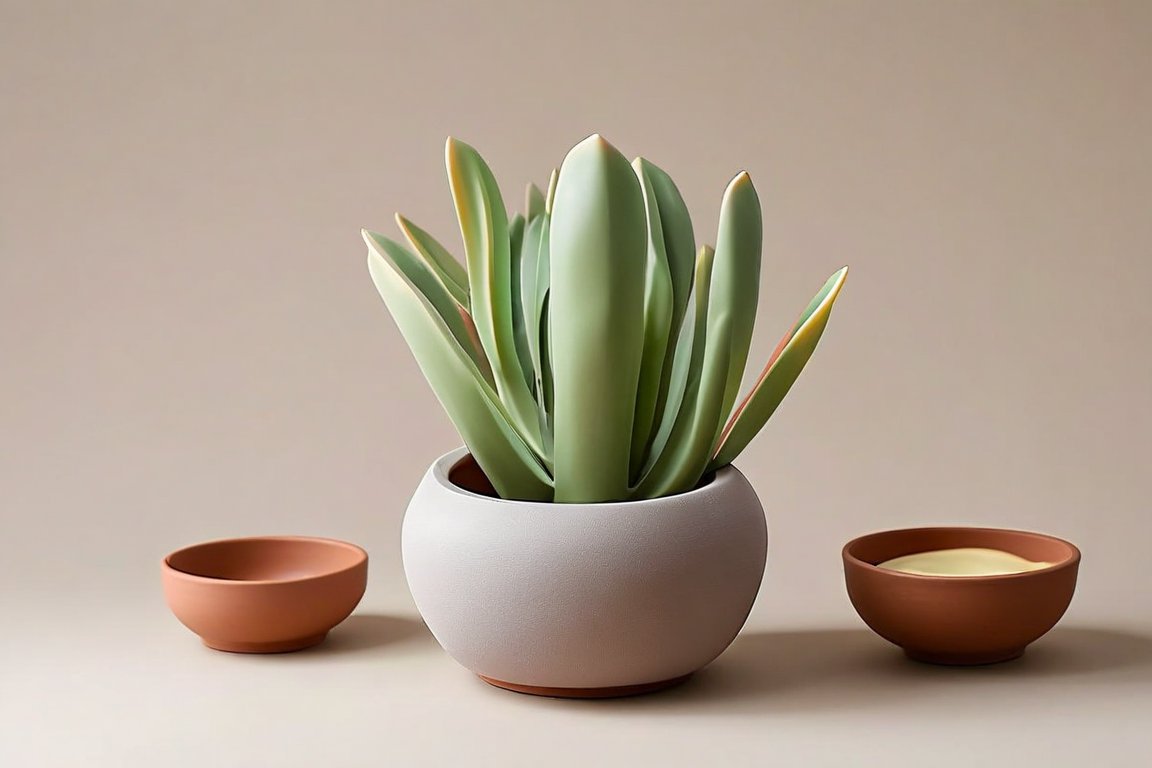
Today, we're crafting a charming 5-inch (13 cm) clay planter using air-dry clay. This project is both fun and functional, allowing you to express creativity while making something useful. Beginners often struggle with even walls, but don't worry—practice makes perfect, and I'll guide you through each step.
Materials
- 500 grams (1.1 lbs) of air-dry clay
- Small bowl of water
- Clay carving tool or butter knife
- Scoring tool or fork
- Rolling pin
- Plastic wrap
- Sandpaper (medium grit)
- Paint (acrylic or ceramic-safe)
- Paintbrush
- Sealer (optional, for waterproofing)
Time & Difficulty
- Total time: 60 minutes
- Active time: 45 minutes
- Curing/Drying: 24-48 hours
- Difficulty: Beginner
Step-by-Step
- Prepare your workspace by laying out all materials. Cover your table with plastic wrap for easy cleanup.
- Condition the clay by kneading it until it’s soft and pliable.
- Roll out the clay to a thickness of about 1 cm (3/8 inch) using the rolling pin.
- Cut out a circle with a diameter of 13 cm (5 inches) for the base.
- Shape a rectangle from the remaining clay that measures approximately 15 cm x 7 cm (6 inches x 2.75 inches).
- Score the edges of both the base and the rectangle using the scoring tool or fork.
- Apply a small amount of water to the scored edges to create slip, which acts as glue.
- Join the rectangle to the base by pressing the scored edges together firmly.
- Smooth the seams with a damp finger to ensure a seamless look.
- Allow the planter to dry for 24-48 hours, until fully hardened.
- Sand any rough edges with medium-grit sandpaper once dry.
- Paint your planter with acrylic or ceramic-safe paint. Let it dry completely.
- Seal your planter with a waterproof sealer if desired, especially if it will be exposed to moisture.
Pro Tips
- Use a damp sponge to smooth out any finger marks on the clay.
- If the clay starts to crack, a little water will help rehydrate it.
- Rotate the clay as you roll it out to maintain an even thickness.
Common Mistakes
- Thin walls can crack easily—ensure your clay is at least 1 cm thick.
- Not scoring properly can lead to weak seams. Score deeply enough to see a texture.
- If the clay feels too sticky, let it air out for a few minutes before continuing.
Safety Notes
- Air-dry clay can be dusty; work in a well-ventilated area.
- Wash hands thoroughly after working with clay and paint.
Cleanup & Storage
- Wrap unused clay in plastic wrap to prevent it from drying out.
- Clean tools with warm, soapy water immediately after use.
- Store your finished planter in a cool, dry place to avoid moisture damage.
Next Exercises
- Try making a matching saucer for your planter.
- Experiment with adding textures to your next clay project.
- Create a set of three planters in different sizes for a cohesive look.
Byline: Amina Laurent-Érable