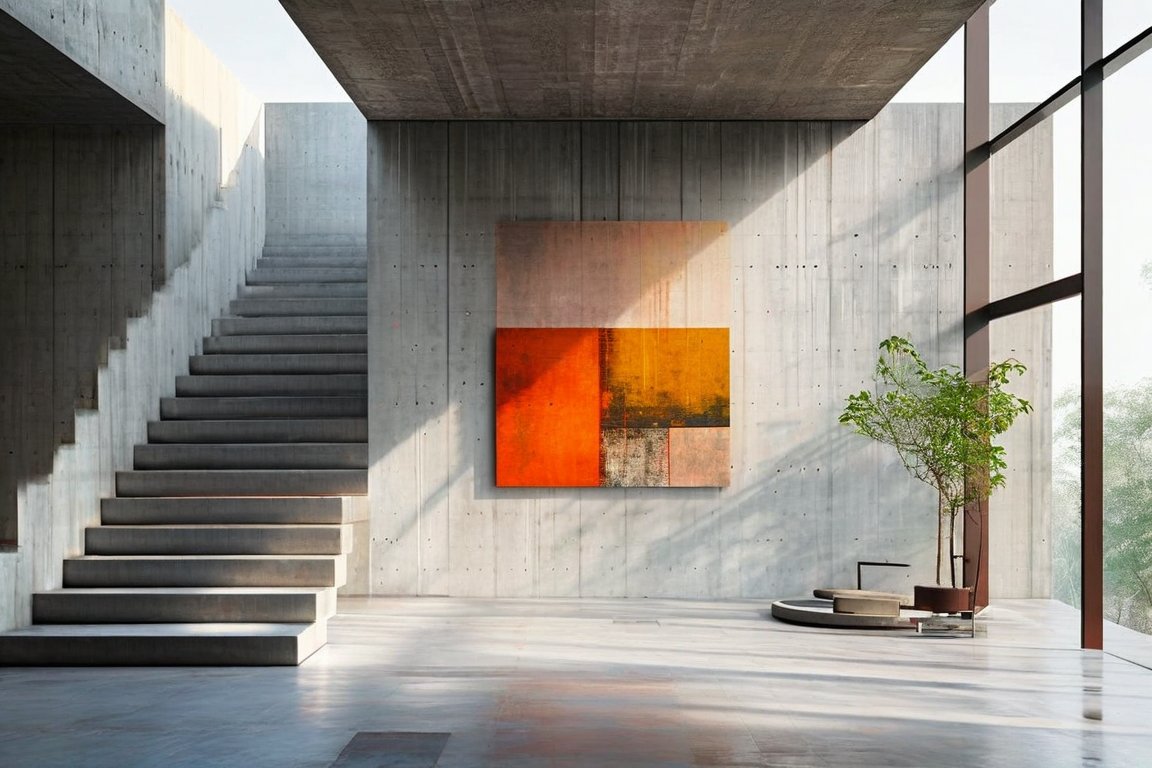
Overview
Today, we'll craft a vibrant 12x12 mixed-media canvas that combines color and texture in a playful exploration of acrylic paint, paper scraps, and found objects. This project is a fantastic way to experiment with layering and brush techniques while expressing your creativity. Beginners often find themselves overwhelmed by the possibilities, but with a bit of guidance, you'll find your rhythm and create something uniquely yours.
Materials
- 12x12 inch (30x30 cm) canvas
- Acrylic paints in assorted colors (minimum 5 colors)
- Paper scraps (magazine clippings, tissue paper, etc.)
- PVA glue or matte medium (100 ml / 3.4 fl oz)
- Stencils of various designs
- Texture paste (approx. 100 g / 3.5 oz)
- Palette knives or old credit cards for spreading paste
- Brushes of different sizes (small, medium, large)
- Found objects (buttons, fabric scraps, beads)
- Water container and paper towels
- Finishing spray or varnish (100 ml / 3.4 fl oz)
Time & Difficulty
- Total Time: 2 hours
- Active Time: 1.5 hours
- Curing/Drying Time: 30 minutes
- Difficulty: Beginner-friendly
Step-by-Step
- Prepare your workspace by laying down a protective cover and arranging your materials within easy reach.
- Prime your canvas with a thin layer of white acrylic paint if it's unprimed. Let it dry for a few minutes.
- Plan your design by arranging paper scraps and found objects loosely on your canvas to get a sense of composition.
- Apply a base layer of paint using large brushes. Choose colors that will peek through your layers.
- Secure paper scraps with PVA glue or matte medium, smoothing them with a brush.
- Use stencils to add patterns with either paint or texture paste. Allow to dry for 10-15 minutes.
- Layer with more paint, focusing on contrast and color harmony. Use smaller brushes for detail.
- Attach found objects with glue, pressing firmly to ensure they adhere well.
- Finish by applying a coat of finishing spray or varnish to protect your artwork and enhance color vibrancy.
Pro Tips
- Use a hairdryer to speed up drying times between layers.
- Test color combinations on a scrap paper before applying them to your canvas.
- Mix a bit of water with acrylic paint to create washes for a more transparent effect.
Common Mistakes
- Applying too much glue can cause paper to wrinkle. Use a thin, even layer.
- Skipping drying time leads to smudging. Be patient and use a hairdryer if needed.
- Overloading with objects or color can overwhelm the design. Aim for balance and edit as needed.
Safety Notes
- Ensure adequate ventilation when using finishing sprays or varnishes.
- Keep acrylic paints and glue away from children and pets.
Cleanup & Storage
- Rinse brushes immediately after use in warm soapy water.
- Store leftover paint in airtight containers to prevent drying.
- Keep your canvas in a dry, dust-free area to avoid damage.
Next Exercises
- Explore larger canvases with more complex compositions.
- Incorporate fabric and textiles for added dimension.
- Experiment with different color palettes to develop your color theory skills.