Overview
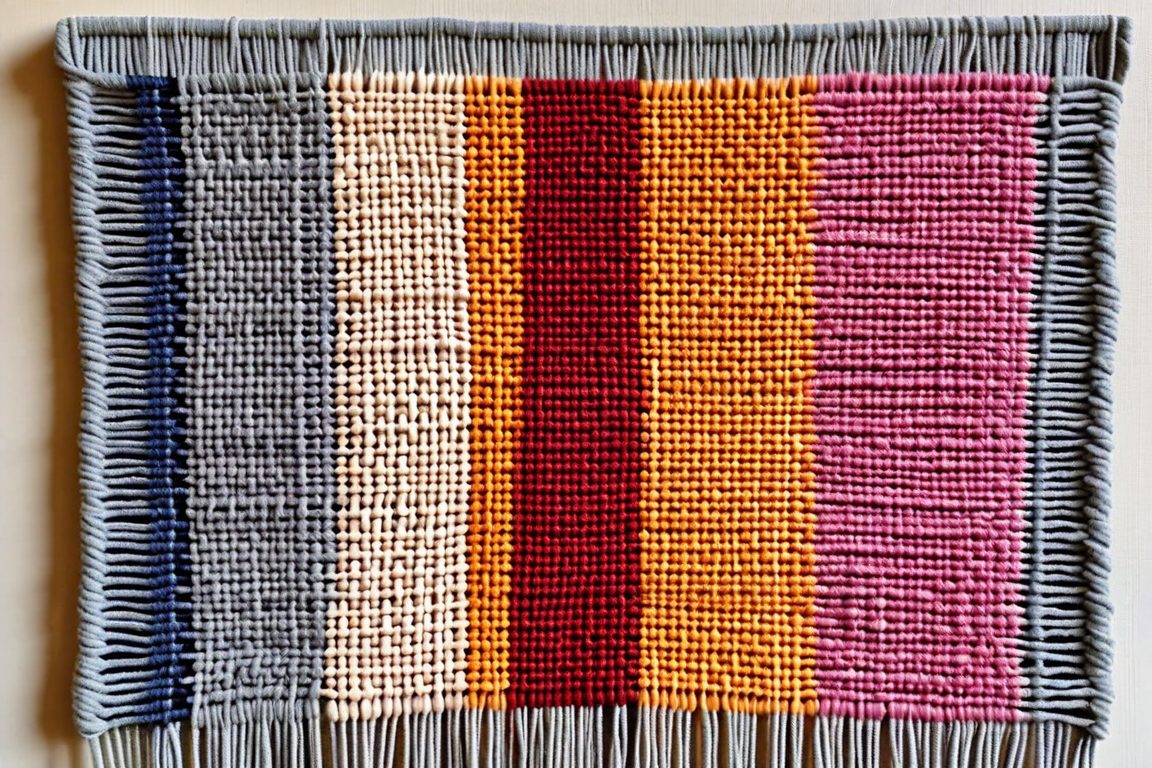
We’re going to weave a beautiful 30x30 cm (12x12 inch) wall hanging in just one afternoon. This project is a delightful introduction to textile art and a perfect way to add a touch of handmade charm to your home decor. Beginners often stumble when it comes to tension and color blending, but with patience and practice, you'll create a stunning piece.
Materials
- Small weaving loom (30x30 cm / 12x12 inches)
- Yarn in 3-4 colors (approximately 100g / 3.5 oz per color)
- Warp thread (cotton or hemp, 50m / 55 yards)
- Tapestry needle
- Scissors
- Wooden dowel (35 cm / 14 inches)
- Comb or fork (for tightening weaves)
Time & Difficulty
- Total time: 3 hours
- Active time: 2.5 hours
- Drying/Curing: Not applicable
- Difficulty: Beginner
Step-by-Step
- Set up your loom by attaching the warp thread. Tie a knot at one end and loop across the loom, maintaining even tension.
- Choose your first yarn color and thread it onto the tapestry needle.
- Begin weaving by passing the needle over and under the warp threads, alternating with each row.
- Switch colors as desired to create patterns. Tie off the old yarn and start the new color, tucking ends neatly.
- Maintain tension by using a comb or fork to press each row snugly together.
- Add texture by using different yarn weights or incorporating fringe at the bottom.
- Finish the top by weaving a few rows tightly to secure the piece.
- Remove the weaving from the loom carefully, ensuring the warp threads stay intact.
- Attach the wooden dowel by tying the top warp threads around it evenly.
- Trim any excess yarn or loose ends for a clean finish.
- Hang your wall hanging using the dowel, adjusting the fringe if needed.
Pro Tips
- Use a color palette that complements your home decor for a cohesive look.
- If your yarn becomes tangled, gently untwist it rather than pulling hard.
- Vary yarn textures to add depth and interest to your piece.
Common Mistakes
- Uneven tension: Keep consistent pressure on the warp threads to avoid a lopsided weave.
- Color bleeding: Test yarns for colorfastness before starting to ensure no bleeding occurs.
- Loose ends: Securely tie off each color change to prevent unraveling.
Safety Notes
- Use scissors carefully to avoid injury when trimming yarn.
- Be cautious with the tapestry needle to prevent pricking your fingers.
Cleanup & Storage
- Store leftover yarn in a dry, cool place to prevent it from tangling or getting damp.
- Clean your loom by wiping it with a dry cloth to remove any dust or fibers.
Next Exercises
- Create a larger wall hanging with more complex patterns.
- Experiment with natural fibers like wool and cotton for different textures.
- Try incorporating beads or other embellishments for added interest.