Overview
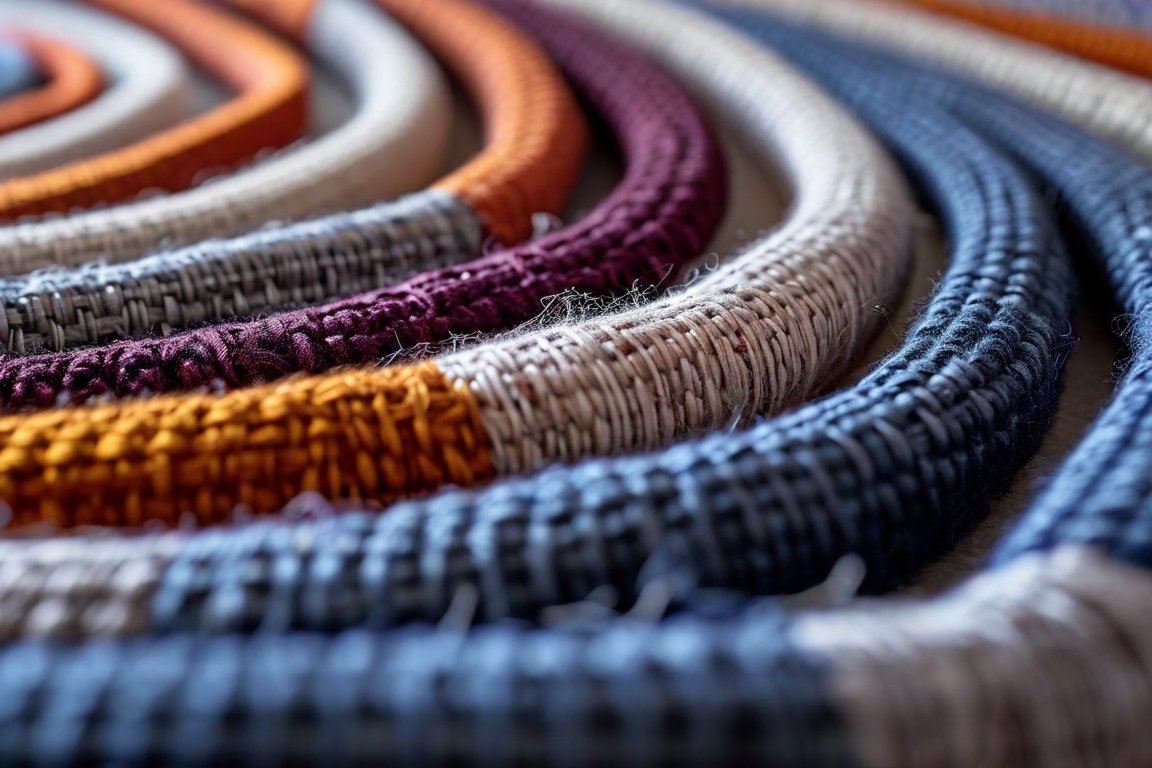
We're going to weave a small tapestry using recycled fabrics, a delightful way to blend colors and textures while upcycling materials. This project is fun because it offers a creative outlet and a chance to transform old textiles into something beautiful. Beginners often slip when it comes to tension and selecting fabric strips, but with a bit of patience, you'll create a lovely piece of art.
Materials
- A simple frame loom (20 cm x 25 cm or 8 in x 10 in)
- Recycled fabric strips (approximately 2 cm or 0.75 in wide, 5 meters or 16 feet in total length)
- Cotton warp thread (enough to wrap your loom, about 10 meters or 32 feet)
- Scissors
- Tapestry needle
- Comb or fork (for beating down the wefts)
Time & Difficulty
- Total time: 3–4 hours
- Active time: 2–3 hours
- Difficulty: Beginner-friendly
Step-by-Step
- Prepare your loom: Wrap the warp thread around the loom, maintaining even tension, spacing threads about 1 cm (0.4 in) apart.
- Cut your fabric: Cut recycled fabrics into strips approximately 2 cm (0.75 in) wide. Mix colors and textures for interest.
- Begin weaving: Thread a fabric strip through the tapestry needle. Start at one end and weave over and under the warp threads.
- Beat down the weft: Use a comb or fork to gently push the woven strip down to the bottom of the loom, ensuring a tight weave.
- Alternate rows: For the next row, start by going under where you previously went over. This creates a basic tabby weave.
- Continue weaving: Repeat the weaving process, switching colors and textures as desired to create patterns or stripes.
- Check tension: Periodically check that your weft is not pulling too tight, which can warp the tapestry.
- Finish the top: Once you reach the top of your loom, secure the last strip by weaving it back into the previous row.
- Remove from loom: Carefully cut the warp threads at the top and bottom, tie them off securely to prevent unraveling.
- Trim and tidy: Trim any excess fabric or threads, and tuck in loose ends for a neat finish.
Pro Tips
- Use a variety of fabric types for an interesting texture, such as cotton, silk, and denim.
- Maintain even tension by gently pulling the fabric strips, not too tight, not too loose.
- Experiment with different weaving patterns like twill or basketweave for more complexity.
Common Mistakes
- Warp threads too loose: Retighten or rewrap your loom with firmer tension.
- Uneven edges: Use a ruler to guide straight edges and adjust the tightness of your weft.
- Fabric fraying: Use pinking shears to cut strips and reduce fraying.
Safety Notes
- Handle scissors carefully to avoid cuts.
- Be mindful of sharp tapestry needles when weaving.
- Ensure your workspace is well-lit to prevent eye strain.
Cleanup & Storage
- Store leftover fabric strips in a sealed bag for future projects.
- Keep your loom and tools in a dry, safe place to avoid damage.
- Sweep or vacuum your workspace to clear any fabric scraps or threads.
Next Exercises
- Try weaving a larger tapestry with more complex patterns.
- Experiment with natural dyes to add unique colors to your recycled fabrics.
- Create a series of small tapestries to form a cohesive wall display.