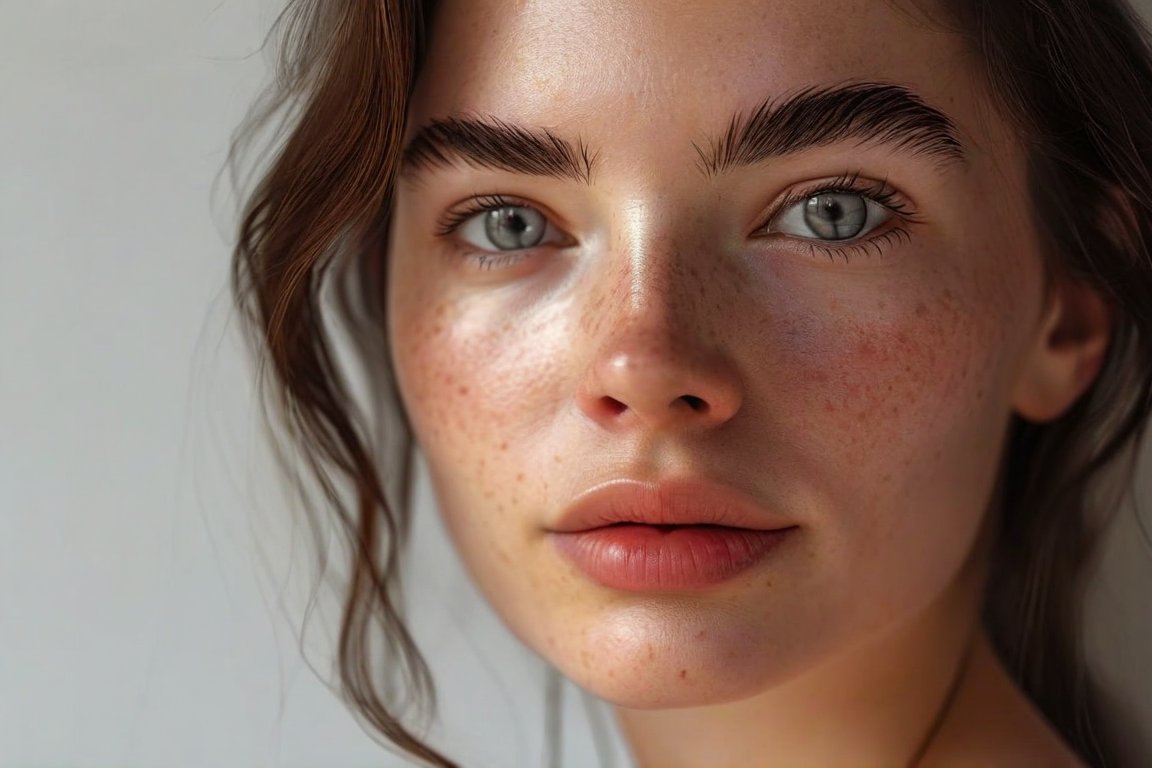
Overview
Let's embark on a creative journey to capture 10 portraits in 10 different natural light settings. This exercise is a fun way to explore how lighting transforms your subject and enhances your photography skills. Beginners often struggle with adjusting camera settings for varying light conditions, but with practice, you'll gain confidence and a keen eye for light.
Materials
- DSLR or mirrorless camera (or a smartphone with manual settings)
- 50mm lens (or equivalent focal length on your device)
- Tripod (optional but helpful for stability)
- Reflector (can use a white sheet or poster board as a substitute)
- Notebook and pen for taking notes
Time & Difficulty
- Total time: 3 hours
- Active time: 2 hours
- Reviewing/editing time: 1 hour
- Difficulty: Beginner to Intermediate
Step-by-Step
- Choose your subject. Find a willing friend or family member to model for you. Explain your plan and what you hope to achieve.
- Select your equipment. Ensure your camera or smartphone is fully charged and has ample storage space.
- Scout locations. Identify 10 different spots with unique natural lighting: open shade, direct sunlight, golden hour, window light, etc.
- Adjust settings for each location. Start with ISO 100-400, an aperture of f/2.8-f/4, and shutter speed around 1/125s. Adjust based on light conditions.
- Position your subject. Place them in relation to the light source. Experiment with front, side, and backlighting.
- Use a reflector. Bounce light onto your subject to fill in shadows when necessary.
- Compose your shot. Frame your subject thoughtfully. Use the rule of thirds to guide your composition.
- Capture the portrait. Take multiple shots, adjusting angles and expressions to find the best look.
- Review your images. After each setting, check your shots. Make quick adjustments to improve the next set.
- Repeat for all settings. Move to the next location and repeat the process, adapting your technique to the new light.
- Edit your photos. Use basic editing software to enhance your images. Focus on exposure, contrast, and color balance.
- Reflect on your work. Note what worked well and what could be improved. This reflection is key to learning.
- Share your favorites. Show your best images to your subject and get feedback. Sharing builds confidence and community.
Pro Tips
- Use morning or late afternoon light for softer, more flattering portraits.
- Engage with your subject to capture genuine expressions.
- Experiment with different focal lengths to change the perspective.
Common Mistakes
- Overexposed images: Use spot metering to focus on your subject's face.
- Harsh shadows: Soften them with a reflector or by changing the angle.
- Blurred images: Ensure your shutter speed is fast enough to freeze motion.
Safety Notes
- Be mindful of your surroundings, especially when shooting outdoors.
- Protect your equipment from harsh weather conditions.
- Always ask for permission when shooting in public spaces.
Cleanup & Storage
- Back up your images to a secure location.
- Clean your camera lens and store your equipment safely.
- Organize your files with clear labels for easy access later.
Next Exercises
- Explore night portraits using available streetlight.
- Practice capturing candid portraits in a bustling environment.
- Experiment with black and white portrait photography.
By Theo Northlake.