Overview
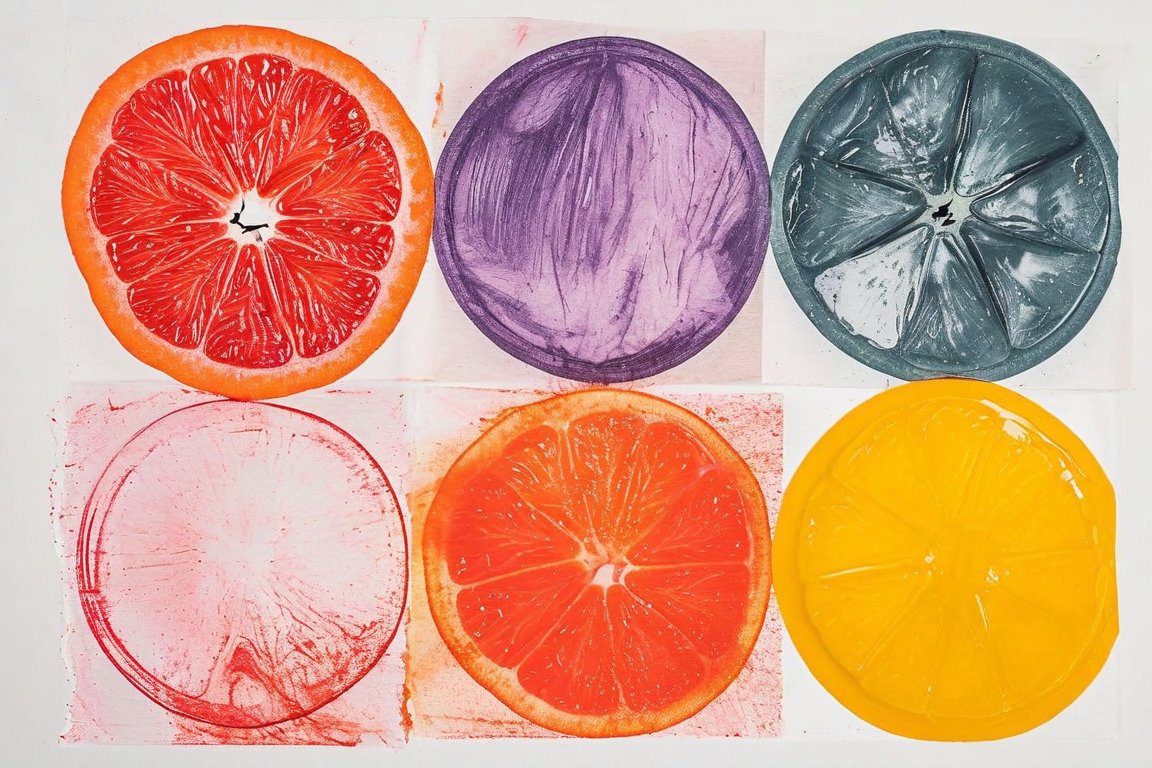
In this delightful project, we'll create five unique monoprints using everyday objects found around your home. Monoprinting is a fun and accessible way to explore textures and colors, and it offers endless creative possibilities. Beginners often stumble when they rush the setup or apply too much ink, but with patience and a gentle touch, you'll soon be creating prints that are truly one-of-a-kind.
Materials
- Water-based printing ink (100 ml / 3.4 oz) or acrylic paint as a substitute
- Brayer (roller)
- Glass or acrylic sheet (approximately 30 cm x 30 cm / 12 in x 12 in) as a printing plate
- Thick paper or cardstock (A4 or 8.5 x 11 inches), 5 sheets
- Variety of household objects (e.g., leaves, bubble wrap, lace, cardboard cutouts, string)
- Palette knife or old credit card
- Apron or old shirt
Time & Difficulty
- Total time: 1 hour 30 minutes
- Active time: 1 hour
- Drying time: 30 minutes
- Difficulty: Beginner-friendly
Step-by-Step
- Prepare your workspace by covering surfaces with newspaper or an old tablecloth.
- Choose your objects and arrange them close at hand. Think about the textures and patterns they will create.
- Lay out your ink on the glass or acrylic sheet using a palette knife or old credit card.
- Roll out the ink evenly with the brayer until you have a thin, smooth layer.
- Press your objects into the ink to create patterns. Be gentle to avoid smudging.
- Place a sheet of paper carefully over the inked plate.
- Rub the back of the paper gently with your hands, ensuring contact with the inked surface.
- Peel away the paper to reveal your monoprint. Set it aside to dry.
- Repeat the process for the remaining sheets, experimenting with different objects and ink amounts.
Pro Tips
- Use less ink than you think; a thin layer works best for capturing fine details.
- Experiment with color mixing directly on the glass for unique gradients.
- Try using a hairdryer on a low setting to speed up drying time between prints.
Common Mistakes
- Too much ink results in blurred prints; fix it by using less ink and rolling it out more.
- If the paper sticks, gently lift a corner and peel slowly to avoid tearing.
- Uneven pressure leads to patchy prints; use consistent, gentle pressure across the whole sheet.
Safety Notes
- Use water-based inks for easier cleanup and to avoid harsh chemicals.
- Ensure good ventilation if using acrylic paints.
- Keep sharp objects out of reach of children.
Cleanup & Storage
- Wash your brayer and plate with warm, soapy water immediately after use.
- Store leftover ink in a sealed container to prevent drying out.
- Keep your finished prints flat and away from moisture.
Next Exercises
- Create a themed series using objects from a single room of your house.
- Explore monoprinting on fabric for a new texture challenge.
- Experiment with layering prints for depth and complexity.