Overview
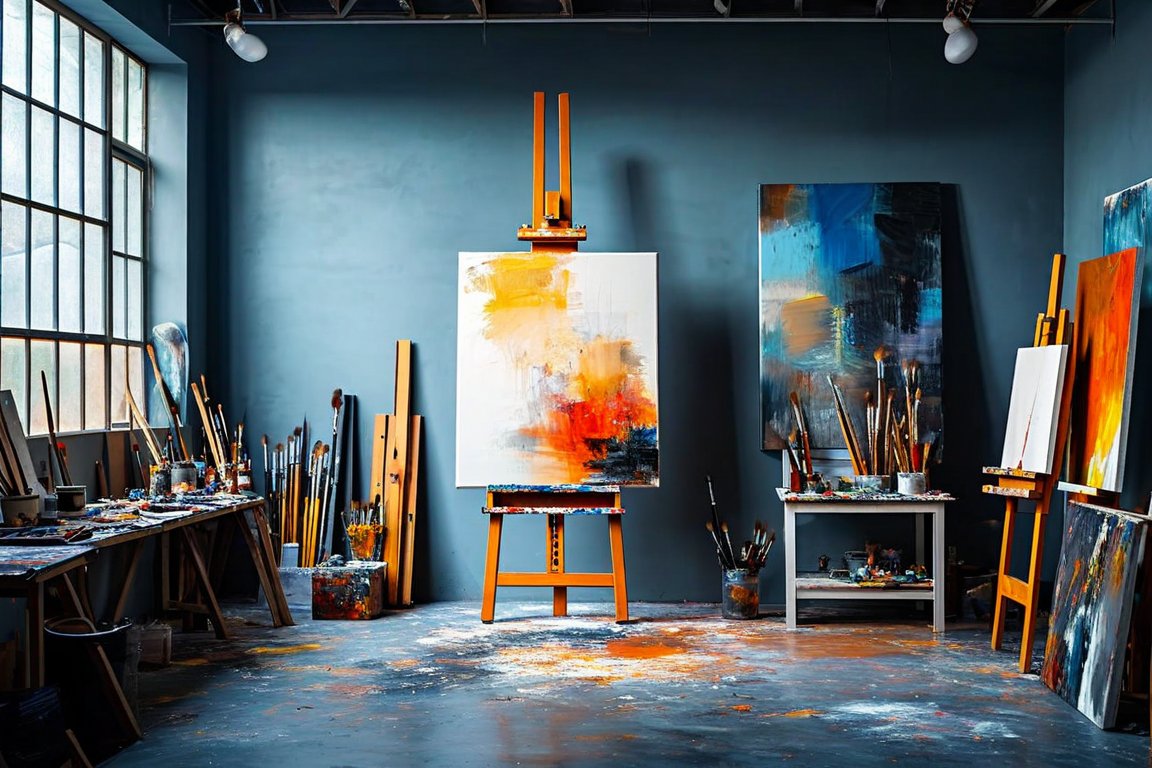
Welcome to the vibrant world of abstract art! Today, we’ll paint a small abstract canvas using acrylic paints. This project is a joyful exploration of color and texture, perfect for beginners looking to express themselves without the pressure of realism. Many newcomers worry about color mixing or overthinking their design, but remember, each stroke is a step toward your unique masterpiece.
Materials
- Small canvas (20 cm x 20 cm or 8 in x 8 in)
- Acrylic paints (at least 3 colors of your choice, 60 ml each)
- Palette knife or old credit card
- Assorted brushes (flat, round, and detail)
- Palette or disposable plate for mixing
- Water container
- Paper towels or cloth
- Apron or old shirt
Time & Difficulty
- Total Time: 2 hours
- Active Time: 1.5 hours
- Drying Time: 30 minutes
- Difficulty: Beginner-friendly
Step-by-Step
- Prepare your workspace. Lay down some old newspapers or a drop cloth to protect surfaces.
- Set up your materials. Arrange your paints, brushes, and tools within easy reach.
- Prime your canvas. Use a broad brush to apply a thin layer of water to moisten the surface.
- Choose a color palette. Squeeze out small amounts of your chosen colors onto the palette.
- Mix colors. Experiment by mixing a few colors together using your palette knife to create new shades.
- Start painting. Use a flat brush to apply broad strokes of color across the canvas.
- Add texture. Use the palette knife to layer thick paint and create interesting patterns.
- Layer colors. Let each layer dry slightly before adding more color to prevent muddying.
- Refine with detail brushes. Add fine lines or dots to add depth and interest.
- Step back and evaluate. Ensure your composition feels balanced and vibrant.
- Let it dry. Allow your painting to dry completely for about 30 minutes.
- Sign your artwork. Use a fine brush to add your signature discreetly in a corner.
Pro Tips
- Limit your color palette to maintain harmony.
- Use leftover paint for side experiments on paper.
- Step back frequently to view your work from a distance.
Common Mistakes
- Over-mixing colors can lead to muddy results. Fix by letting sections dry and layering brighter tones.
- Using too much water with acrylics can dilute them excessively. Correct by adding more paint to your mix.
Safety Notes
- Avoid inhaling paint fumes by working in a well-ventilated area.
- Wash hands thoroughly after handling paints.
Cleanup & Storage
- Rinse brushes thoroughly in water and reshape them for drying.
- Wipe palette knives clean with a damp cloth.
- Store leftover paint in airtight containers to prevent drying.
Next Exercises
- Create a series of small canvases exploring different color schemes.
- Experiment with larger canvases and more complex compositions.
- Incorporate mixed media elements like paper or fabric into your paintings.
By Theo Northlake