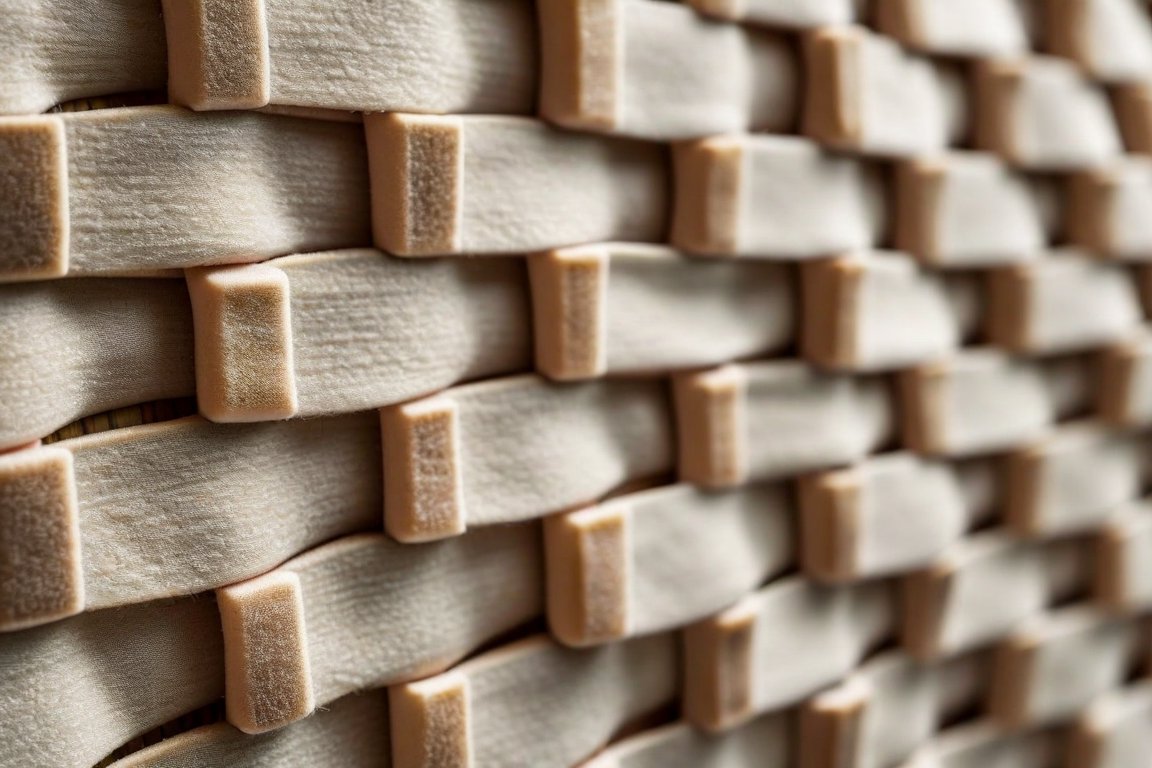
Overview
Today, we’ll create a charming 30x30 cm (12x12 inch) wall hanging using scrap fabric. This project is a delightful introduction to weaving, letting you experiment with color and texture. Beginners often struggle with tension and color balance, but practice and patience will lead to a beautiful handmade piece.
Materials
- Wooden weaving loom (at least 30x30 cm / 12x12 inches)
- Warp thread (cotton or wool, 10 meters / 33 feet)
- Scrap fabric strips (varied colors and textures, about 1-2 cm wide, total 5 meters / 16 feet)
- Scissors
- Tapestry needle
- Comb or fork (for pushing weft rows tight)
- Wooden dowel or branch (for hanging, 35 cm / 14 inches long)
Time & Difficulty
- Total time: 3-4 hours
- Active time: 2 hours
- Curing/Drying: None
- Difficulty: Beginner
Step-by-Step
- Set up your loom by tying the warp thread in even intervals across the frame.
- Cut your scrap fabric into strips, ensuring they are smooth and free of knots.
- Thread the tapestry needle with a fabric strip, leaving a tail of about 5 cm (2 inches).
- Begin weaving by passing the needle over and under the warp threads, alternating each row.
- Push each row down with a comb or fork to keep your weaving tight and even.
- Add variety by changing fabric colors and textures every few rows.
- Finish by weaving the last fabric strip securely, leaving a tail as you did at the start.
- Secure the fabric tails by tucking them into adjacent rows using the needle.
- Attach the woven piece to the dowel or branch by tying the top warp threads over it.
- Trim any excess threads or fabric tails for a neat finish.
- Hang your creation proudly on the wall using a piece of string tied to the ends of the dowel.
Pro Tips
- Use a wide-toothed comb for easier packing of the weft rows.
- Experiment with different textures like lace or denim for added interest.
- Leave longer fabric tails for a stylish fringe effect at the bottom.
Common Mistakes
- Uneven tension: Gently adjust rows with a comb to avoid gaps.
- Warp thread snapping: Use a thicker, stronger thread as a replacement.
- Color imbalance: Lay out your color palette before starting to ensure harmony.
Safety Notes
- Handle scissors carefully to avoid cuts.
- Keep sharp needles away from children.
- Ensure workspace is clear of tripping hazards.
Cleanup & Storage
- Store leftover fabric strips in a dry, cool place for future projects.
- Wipe your loom with a dry cloth to remove dust.
- Hang your finished piece away from direct sunlight to prevent fading.
Next Exercises
- Create a larger wall hanging using more intricate patterns.
- Experiment with natural dyes to color your fabric strips.
- Incorporate beads or other embellishments into your weaving.
Byline: Claire Stoneharbour